
On August 26,2026 a destructive flash flood occurred near the Nepal / Tibet border as a result of a landslide into a glacial lake. The flood occurred north west of Kathmandu affecting the districts of Rasuwa, Nuwakot and Dhading. The estimated death toll is over 1300 and over 4800 people are listed as missing. The loss of infrastructure such as roads, bridges, hydro installations, homes, schools, businesses and farmland is estimated to be over half a billion dollars, a tenth of Nepal’s annual economic output, second only to the 2015 earthquake disaster in magnitude.
The Ramechap district has not been affected according to our Nepal NGO partner BBP-Pariwar although there is a potential risk from the Tsho-Rolpa glacial lake which is located in a neighbouring district of Dolakha that would affect the Tamakoshi river. Evidently sirens have been installed in riverbank areas to alert people in the past but there are many glacial lakes that pose a risk to downstream communities throughout Nepal.
Climate change and the accelerated melting of the Himalayan glaciers have been well documented with the resulting effects on Nepal. The Prime Minister Balendra Shah is scheduled to address the United Nations General Assembly Sept 24th to raise the issue of climate change and the impact on Nepal following the devastating flash flood.
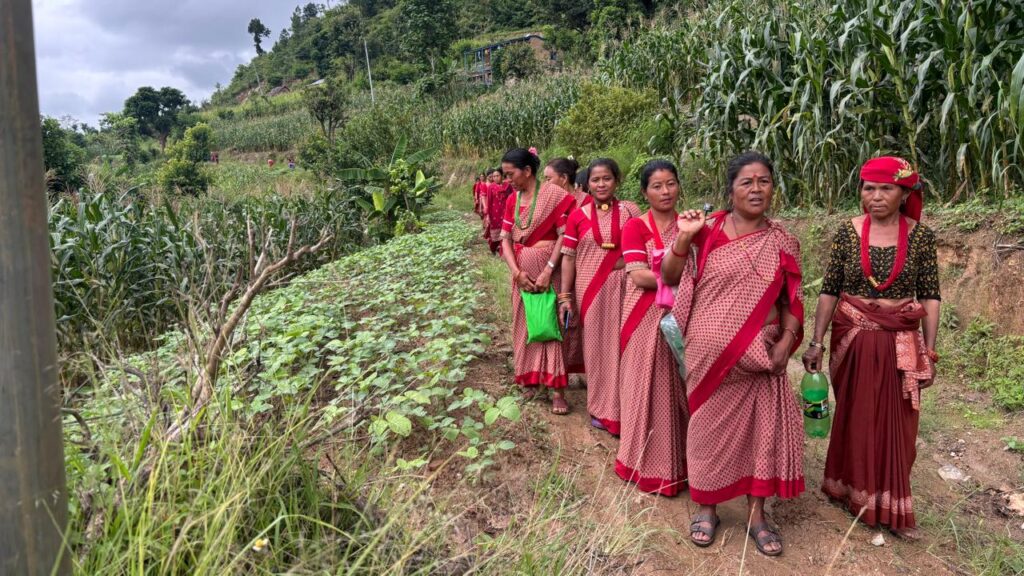
World Neighbours Canada does not normally provide disaster relief and has focused on making communities more resilient and adapting to the effects of climate change. Our programs carried out by BBP-Pariwar addressing sustainable agriculture are an example of this.
If you would like to support immediate relief efforts there are many disaster relief organizations that are working to help those in need.