Reflecting on the year and our partners

One of the most remarkable things about our partners is their ability to adapt to constantly changing political, economic, environmental, and social conditions. This year has been a perfect example of that.

While we, in the west, have enjoyed an unprecedented time of peace and security, our news cycles are starting to highlight how unstable that peace is. I know I am not the only one who feels concerned about what the future looks like closer to home. I think we can learn from our partners who have weathered considerable instability over the years.

For the past 30 years, our partners in Honduras, Burkina Faso, and Nepal have experienced numerous regime changes through coups, rebellions, and civil wars. Yet, when we ask them how this will affect their work, they remain cautiously optimistic and prepared to adapt if necessary.

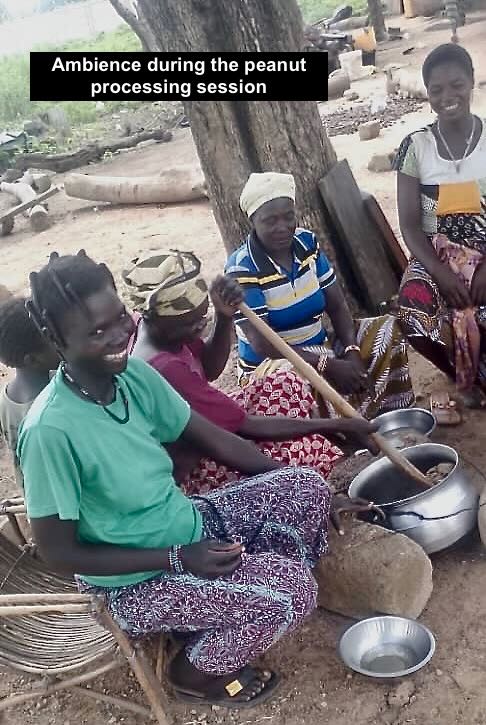
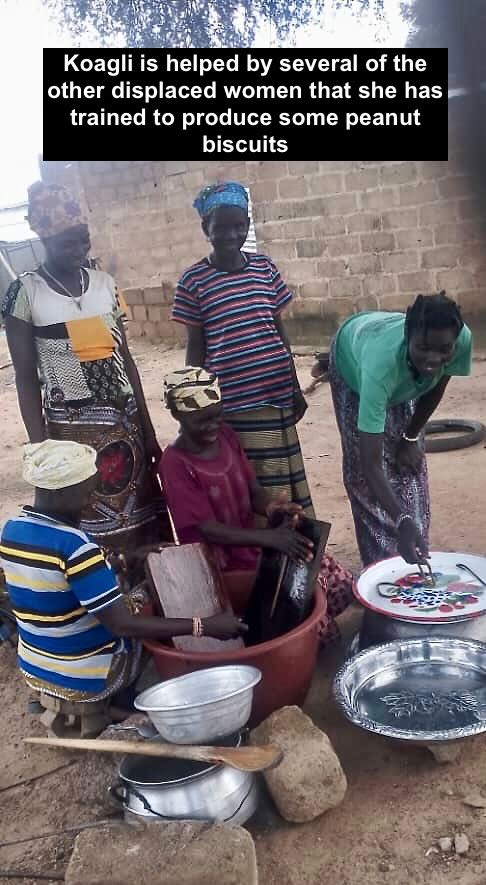
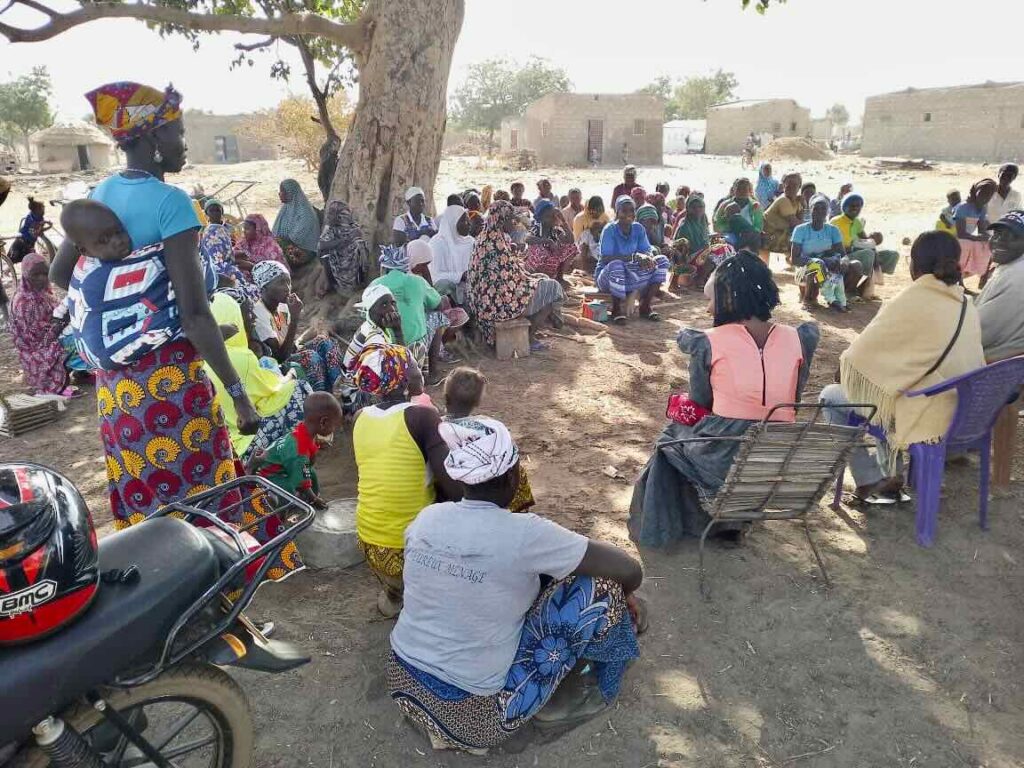
Currently in Burkina Faso, the multiple coups in 2022 as well as the on-going fighting between the military junta and jihadists, has meant that the populations of entire communities that our partner APDC used to support have had to flee their homes and are now internally displaced with no government support. Rather than abandoning the communities because the conditions changed, APDC staff have shifted from supporting
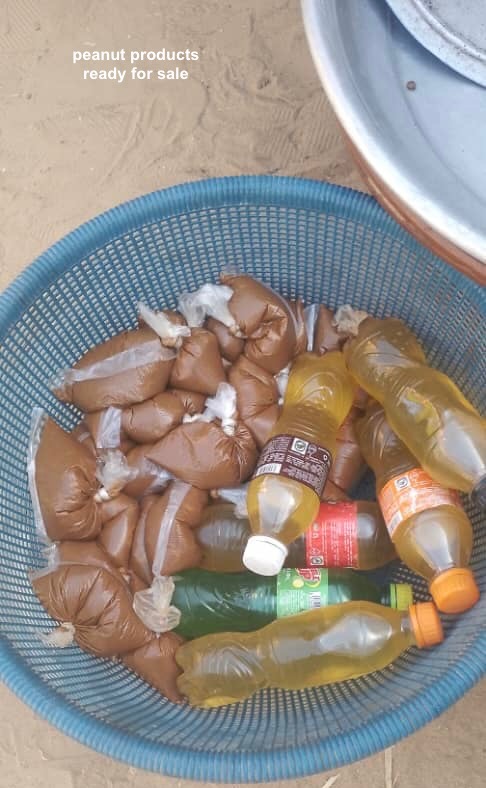
crop production and sheep fattening enterprises, to training beneficiaries in setting up peanut processing enterprises as a way of income generation.

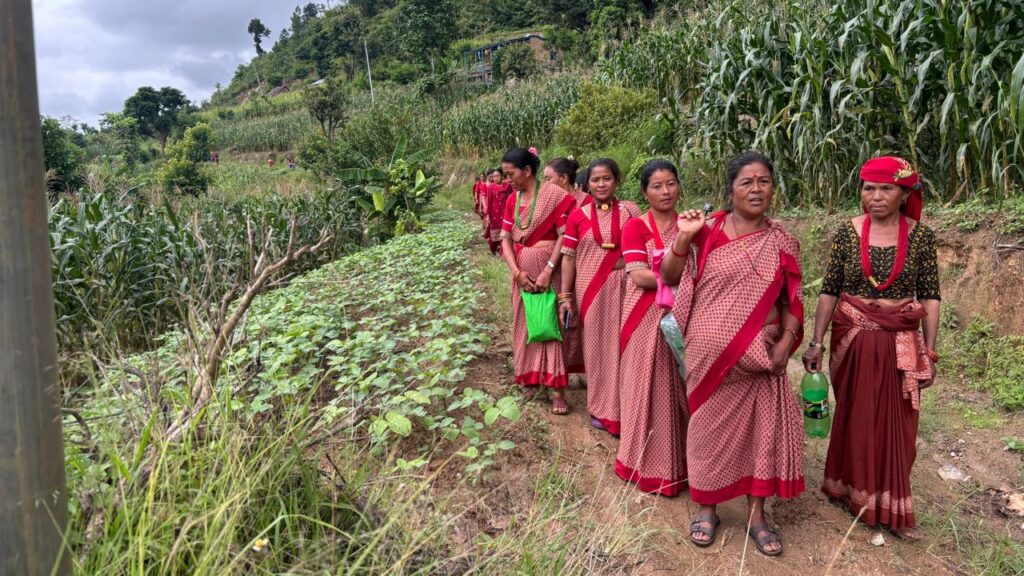
This September in Nepal, student protesters stormed government buildings forcing a regime change. The country was shut down for many days; however our new partner in Nepal, BBP Pariwar, continued providing training sessions in animal husbandry, shelter construction, composting, and biofertilizer processing for female farmers. The thinking is that no matter who is in power, these skills are essential to enhance sustainable
agricultural productivity and environmental resilience.

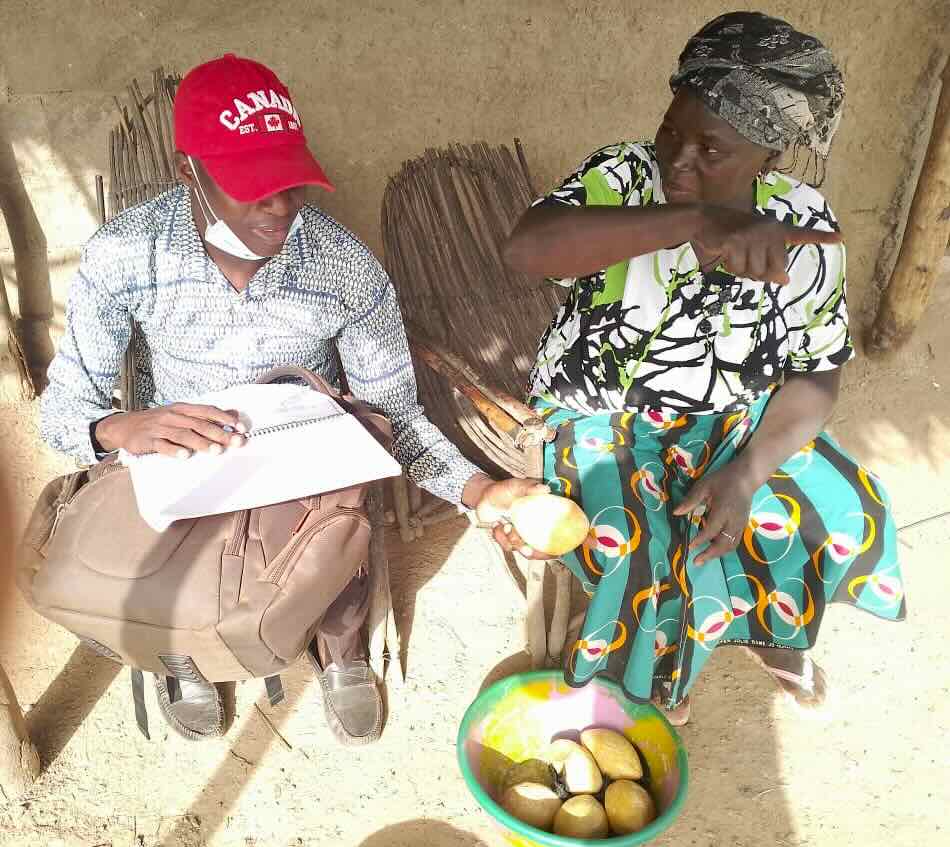
Meanwhile, Honduras was heading into a general election at the end of November with growing tensions and political polarization. Powerful gangs, international political interference, assassinations, and drug money are complicating an already fragile country. Our partner, Vecinos Honduras, is more determined than ever to ensure that the communities they support are able to feed their families, whatever the future may hold. In
order to achieve that goal, it means strengthening community organizations, farmers banding together to save seeds, mothers collaborating to grow healthy food for their children, and communities working together for their future. Vecinos Honduras supports all of these initiatives in a variety of ways.

There is hope and resilience as our partners implement all these varied and important activities. The fact that they continue to operate over the past few decades speaks to their ability to overcome adversity. I hope you will continue to support them in their endeavours in the new year.

Please send us your donation today by cheque, e-transfer or online. We also accept stock transfers.

Thank you and hoping you have a wonderful 2026.

Sincerely,

Gabe Newman,
Director (Volunteer)

Check out our latest newsletter

If you aren’t on our mailing list you would have missed our semi annual newsletter. We only send out two newsletters a year because we know people don’t want to be flooded with updates and requests so we try to be as unobtrusive as possible while also keeping you, our donors, up to date on our partner’s activities. If you would like a hard copy let us know and we will add you to our mailing list. Enjoy!

Newly trained peanut processing entrepreneurs share their knowledge with their neighbours

– by Judy Gray, with information from Rébéka Tankoano

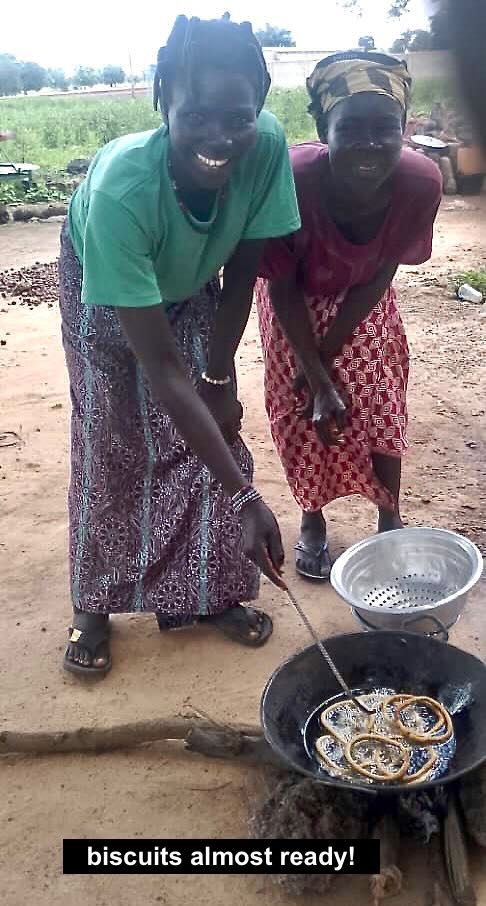
Koagli et Possibo en train de frire les biscuits d’arachide.

We recently received an update from Rébéka Tankoano (coordinator with our partner organization APDC) about the newest beneficiaries who have been able to set up a personal enterprise in the town of Fada. You will likely remember from earlier posts about Burkina Faso that almost all the villages World Neighbours Canada was previously supporting are now deserted as the villagers have been forced to move to Fada to avoid armed conflict. Life is very tough for these displaced persons, especially the women, as they have no means to earn money to care for their children, and many husbands have left to seek work elsewhere.

Thus the opportunity to learn a new skill that will permit a woman to set up an enterprise is a huge step forward. 12 women began entrepreneurial training in March, thanks to a donation from the QSI International School of Benin – the school my husband and I visited last November. Four of the women are caring for and fattening 2 piglets each so their profits have not yet been realized, but eight of the women have set up peanut processing businesses and have already earned revenue.

Rébéka shared comments from a number of the women, as she visited them all recently to provide advice and support.

Habibou Manli states: “I really enjoy my work, it’s very profitable, I can often earn more than 2,500 CFA francs (about $6) per production session. Thanks to this activity, I have become independent. I pay for my condiments and water, and I am able to contribute to a savings group for change. I have also trained another woman who now works for herself, which helps her family a lot. She is very happy. I am currently training another woman who will also be self-sufficient soon. Many women want to learn, but they cannot afford the inputs and equipment. Many thanks to APDC and its partners who have helped us to acquire the skills and equipment we need to work and provide for ourselves. I am very happy.”

Ambience pendant le travail.

What I found most encouraging about the women’s comments was the fact that some of these newly trained women are now able and willing to share their knowledge with others living near them. For me, as a retired teacher, this is truly the completion of the teaching-learning circle – when a learner is able to teach another !

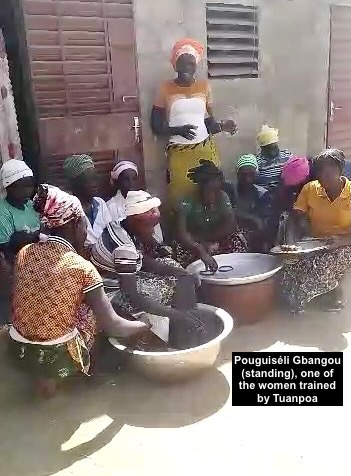
Koagli Thiombiano shares :  “I am very happy to have had the opportunity to benefit from your assistance. Thanks to this peanut processing and marketing activity, I have become self-sufficient. With the regular income I earn from my sales, I support my family by buying condiments, firewood and water, providing healthcare and paying for my children’s school fees. I also save money in a Savings for Change group in our neighbourhood… I am also very happy to have been able to train other women who are now able to work for themselves, which helps their households enormously. After training these women, I followed up with them and mentored them, and now they are working for themselves. Working with these women brings me a lot of joy every day. We have become friends and help each other in our activities. It is very exciting for me when we are together. I often give them money to pay for inputs, and after the sale, they repay me. I also give them some materials to produce with, as they do not yet have the means to pay for all the necessary equipment, so my materials help them to produce as well. I also help them to find new customers. It is really interesting. We work together perfectly, and I hope that they will become more independent so that they can also help other people. I am very grateful to the donors because this activity is very beneficial for us women !”

Rebeka also included comments from one of the benficiaries who was trained by Koagli. Here is Yonli Dirba’s expression of gratitude for the training she received :

“We were overjoyed when Koagli offered us training, and to this day we are still very happy with her help. It has helped us a lot; we are able to support our families and meet our specific needs. We are so happy with her help and very grateful to her. We will never forget her kindness, because this activity is very beneficial for us. We thank God and the team that supports and guides us. We eat and earn a profit by selling our products. Thank you so much to everyone. May God bless each and every one of you, the donors, and may we always be united in love and solidarity to make our activities even more successful.”

Koagli et quelques femmes déplacées internes qu’elle a formé l’aide à produire ses biscuits d’arachide

In a region where almost all international development organizations have ceased to continue with development activities, it is encouraging to hear of these small projects that influence so positively the lives of these displaced persons !

Project work continues in Nepal despite political unrest

Training on vermicompost production and livestock management

Our Nepal NGO partner, BBP-Pariwar, has updated us about the current political unrest in Nepal. Gen Z- led protests began after a social media ban but grew into a broader movement against corruption ,nepotism and high youth unemployment. The demonstrations spread across major cities, resulting in casualties which cost the lives of 24 youths and injured hundreds.

Damage was done to vehicles, government buildings and other public and private property. Businesses and transportation services were disrupted for several days.

The  Prime Minister, Home Minister and most of the ministers and local government representatives resigned A curfew was imposed nationwide in major cities restricting movement and public gatherings that has affected daily life, transport, and access to essential services.

Although the situation is gradually stabilizing, it remains sensitive and could indirectly affect our current project in the Ramechap district.

However, to date BBP-Pariwar has recently conducted livestock management education including proper husbandry and shelter construction, worm composting and biofertilizer preparation training sessions with four community groups of women farmers.

 Earlier this year training for financial record keeping, kitchen garden support, waste water collection using plastic ponds and starting home nurseries to grow fodder for livestock was undertaken. Despite the political unrest delivery of goats to some of the participants is scheduled in the coming days.

Ultimately the project will enhance sustainable agricultural productivity, environmental resilience, and overall well-being of women farmers and their communities

Trying to earn a living in town – life for displaced women in Fada, Burkina Faso

by Judy Gray with information from Rébéka Tankoano

Displaced villagers attending a sensitization session on how to recognize and prevent malnutrition

Rural families in eastern Burkina Faso have been forced to relocate to the town of Fada to escape violence between insurgents and the army. World Neighbours Canada’s local partner organization, APDC, continues to support these families with new approaches. Rébéka Tankoano, project coordinator with APDC, recently sent us a report to provide an update about current activities. Here are a few excerpts from her report:

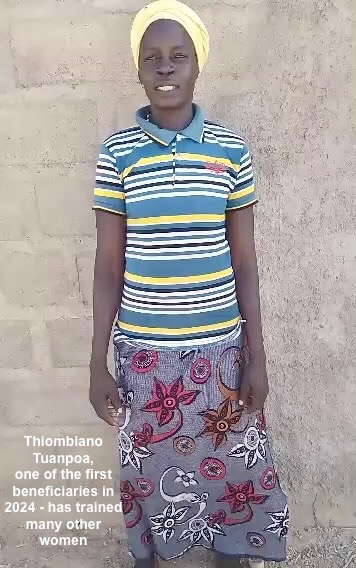
“In addition to setting up new revenue-generating enterprises, the APDC team continued to strengthen the capacities of beneficiaries through regular monitoring and follow-up. This monitoring enabled them to understand how the enterprises were progressing and to encourage beneficiaries (both old and new) to further strengthen their activities. During these visits, the team provided practical advice to beneficiaries based on the difficulties encountered by some women, especially those selling soap. The APDC team suggested that these women learn other activities that are more profitable than soap selling. During our follow-up visits between January and June 2025, some of these beneficiaries impressed us with their transition to peanut processing and marketing. We should point out that their learning was facilitated by a few former beneficiaries, such as Touampoa Thiombiano. It is clear that the average profit from a one day of peanut products’ sales is greater than 1,500 francs (about $4 Canadian, decent daily earnings) for each beneficiary.”

Rébéka also shared comments from some of the entrepreneurs:

Dabini Lamoudi (previously making and selling soap but now has a peanut processing enterprise): I am happy with this activity. It is more profitable than soap-making, and I am supporting my family. Touampoa trained me, and I have already trained three other women who have also started their own businesses and are supporting their families.”

Thiombiano Koagli (peanut processing enterprise): My dream has finally come true. I’m so happy with this business. It’s profitable, I have loyal customers, and I’m training other women who are already in this business. Thank you so much to APDC and its partners.”

Onadia Anne-Marie (peanut processing enterprise):At first, I had some problems with the peanut paste, so that slowed me down a bit, but now I have got the hang of it, and I am doing well. “

Yonli Namouno (preparing and selling local foods): Because beans and cereals are so expensive, I don’t cook every day, but I also make dolo (a traditional beer) and sell it regularly. Overall, things are going well. I’m able to pay for condiments, water, etc.”

Veronique Dabini sharing the results of her peanut processing enterprise with APDC field worker, Noula Miyieba.

Rébéka is very candid with the information in her reports, and she includes comments that explain the difficulties that some women are facing. These include the rising cost of cereals or other inputs, illness in the family, difficulty accessing firewood that is required for cooking, and the difficulty in finding transportation to get to a market from the outskirts of Fada.

Despite these issues, and the uncertainty these families face daily, APDC continues to provide support and advice, and organize educational sessions on hygiene and how to prepare nutritious meals. The APDC employees are trusted and well-respected by the growing number of internally displaced refugees; and these women are very appreciative of the opportunities they have been offered.

Seizing opportunities in Honduras

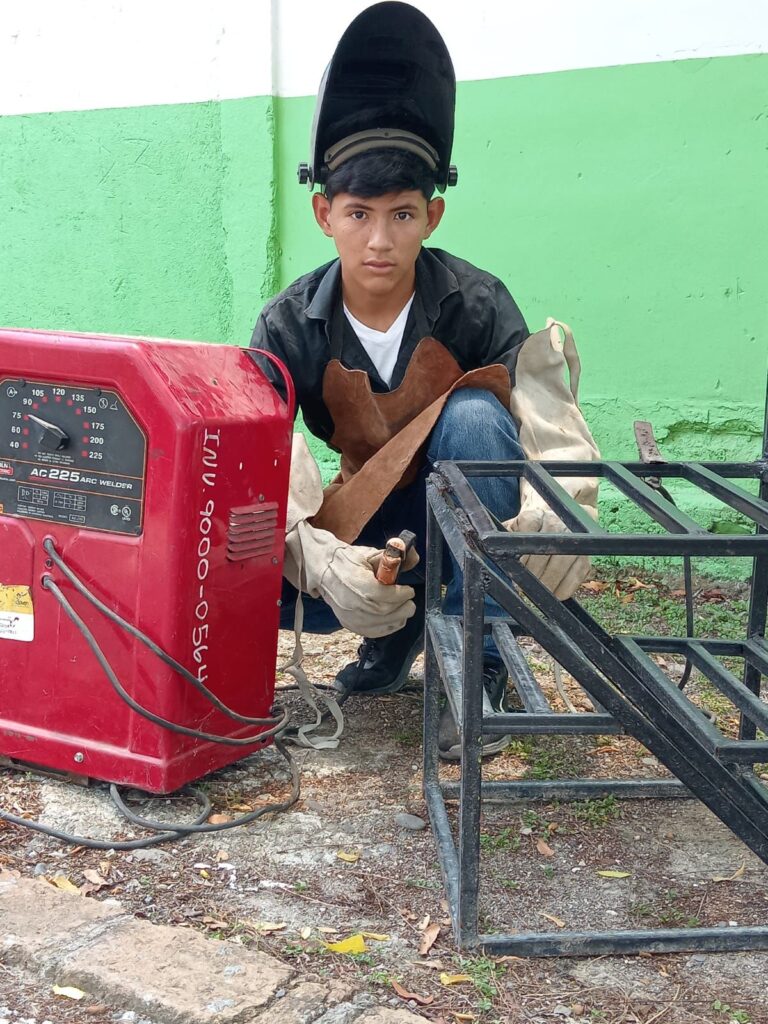
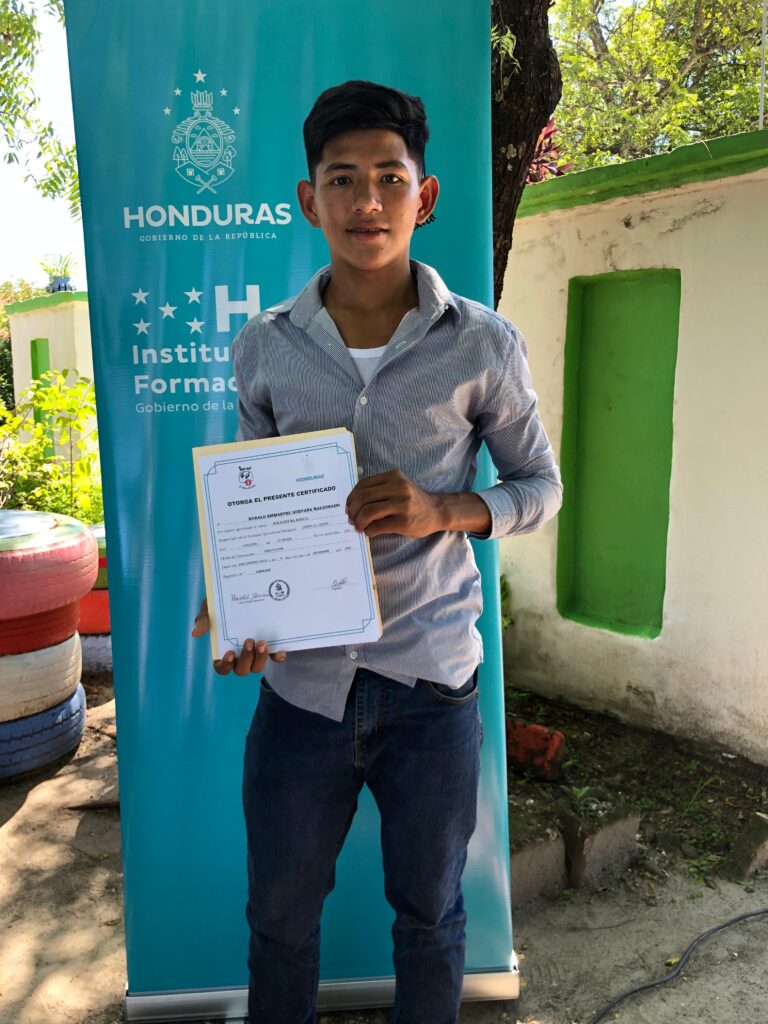
Ronald Emanuel Guevara Maldonado is a 16 year old young man from the community of Las Olivas, Concepción de María village, Langue municipality, Valle, Honduras. He is the son of a single mother, Itzela Maldonado and comes from a family of farmers. He faced difficulties continuing secondary education due to economic limitations and thought he would only work in agriculture to meet his family’s needs. However, with a lot of discipline and self-confidence, he achieved both goals and graduated as a Bachelor in Science and Humanities in 2023 in Isletas Abajo community.

Ronald Emanuel Guevara Maldonado on completion of his training.

Motivated by a desire to learn a job, he accepted an invitation from the Vice-president of the Women’s Network, Aricelda Rodríguez, who told him about an opportunity to participate in a training program sponsored by Vecinos Honduras and facilitated by the Instituto Nacional de Formación Profesional (INFOP). With the support and encouragement of his mother, he met the requirements to start the Basic Welding technical training program

Of the 28 young people who began the training in January 2024, some did not complete the program for various reasons, including migration to the USA; however, his interest in learning led him to complete the train in Basic Welding and additionally in computing and electricity because he was aware that there are few opportunities for training like the one offered by Vecinos Honduras with support from World Neighbours Canada, as a way to improve his living conditions.

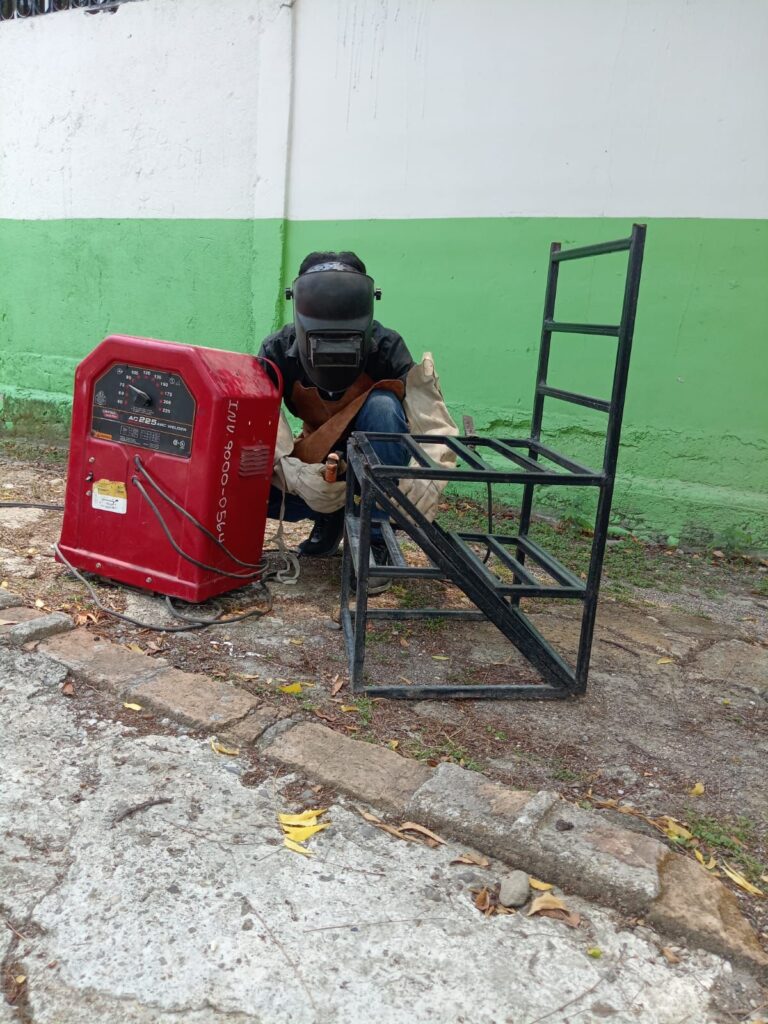
In January 2025, with his mother’s support, he acquired basic tools to put into practice what he learned by setting up a workshop in his mother’s home, where he now fabricates all kinds of metal structures.

Ronald Emanuel is an example of personal growth and inspiration to other young people, telling them, “Motivate yourselves to study. And if you don’t have the opportunity, learn a trade so you can move forward in our country, without straying from our family.”

Upgrades to the Ramon Villeda School

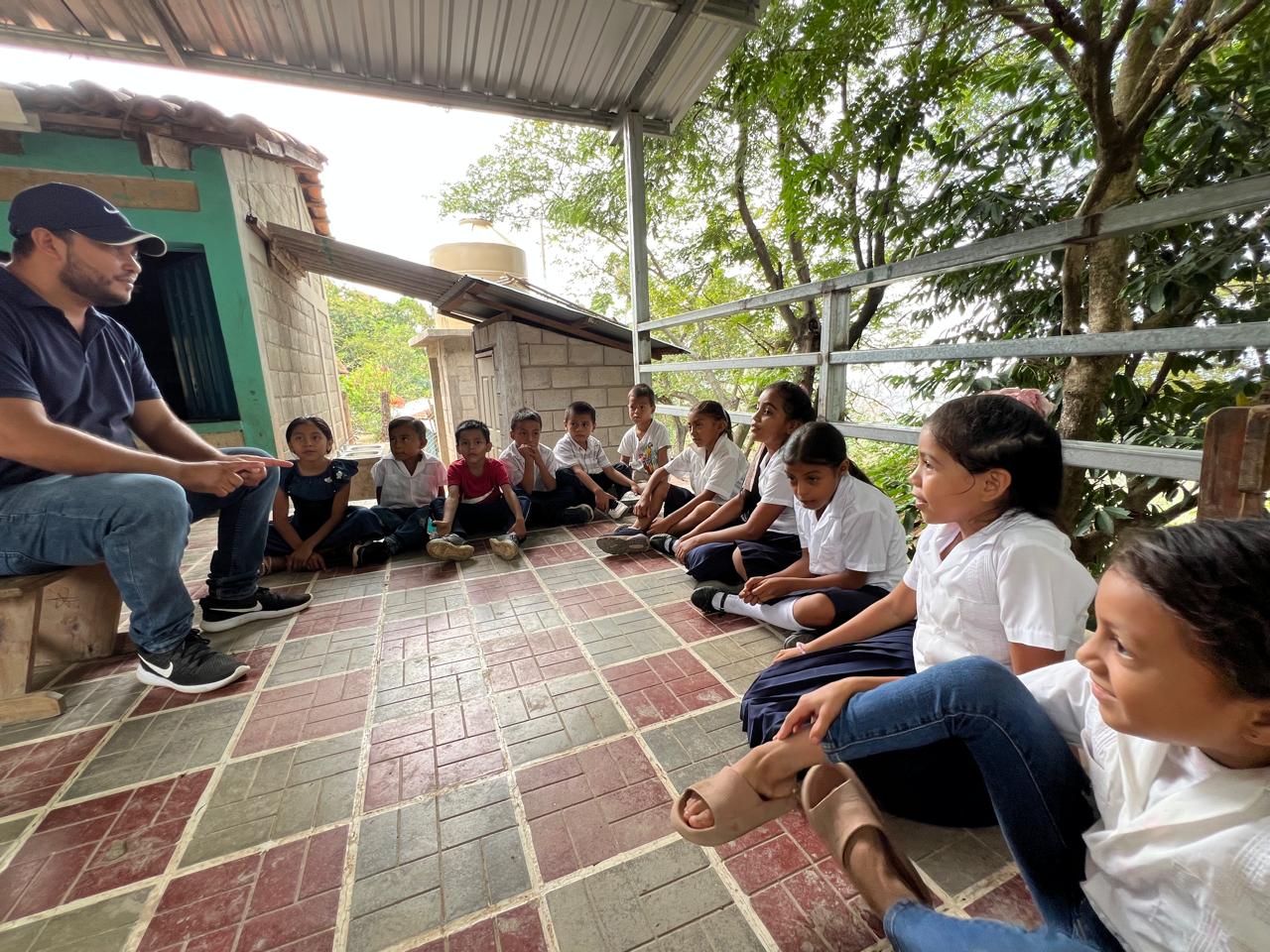
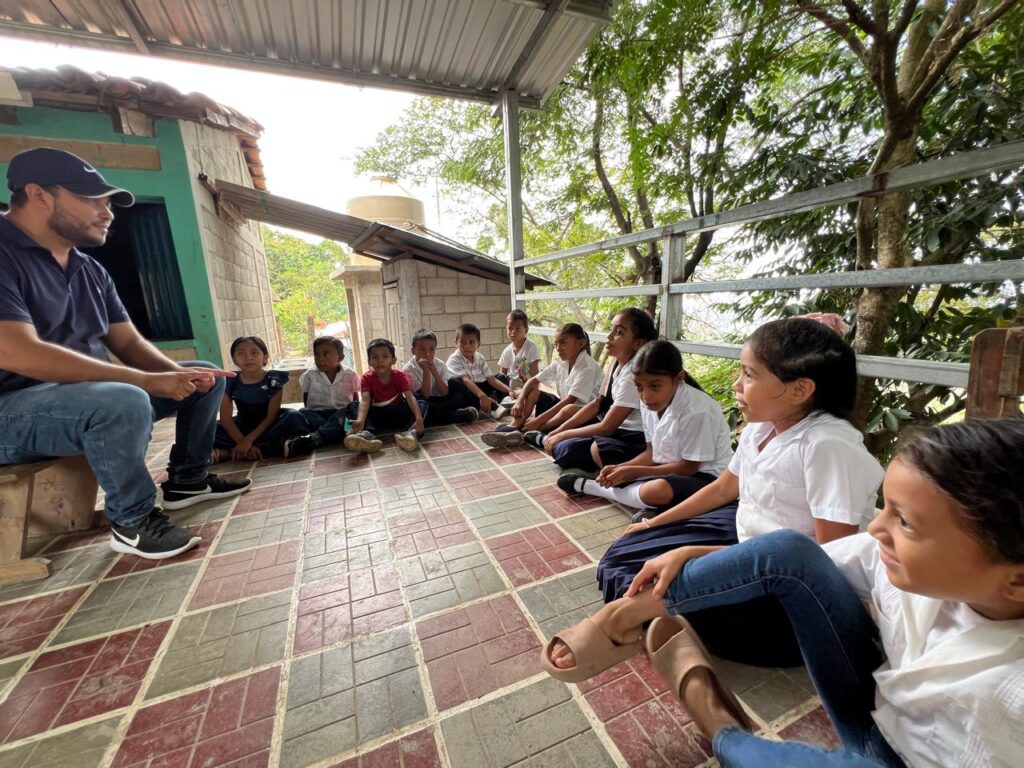
The Ramón Villeda Morales School, located in the highest area of the Isletas community, in municipality of Langue, Valle; receives 25 boys, 19 girls, and 3 teachers every day. Some walk up to 45 minutes daily to reach the educational center

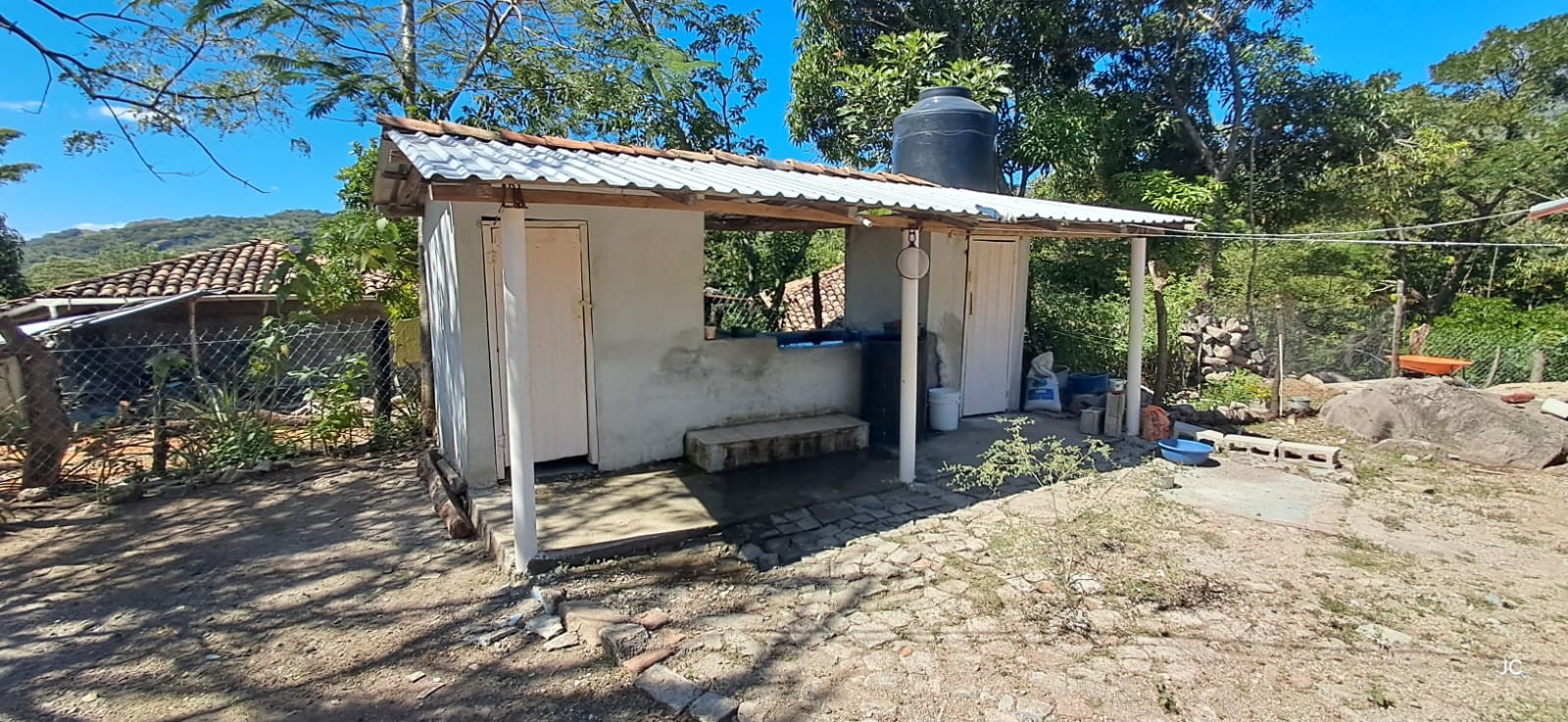
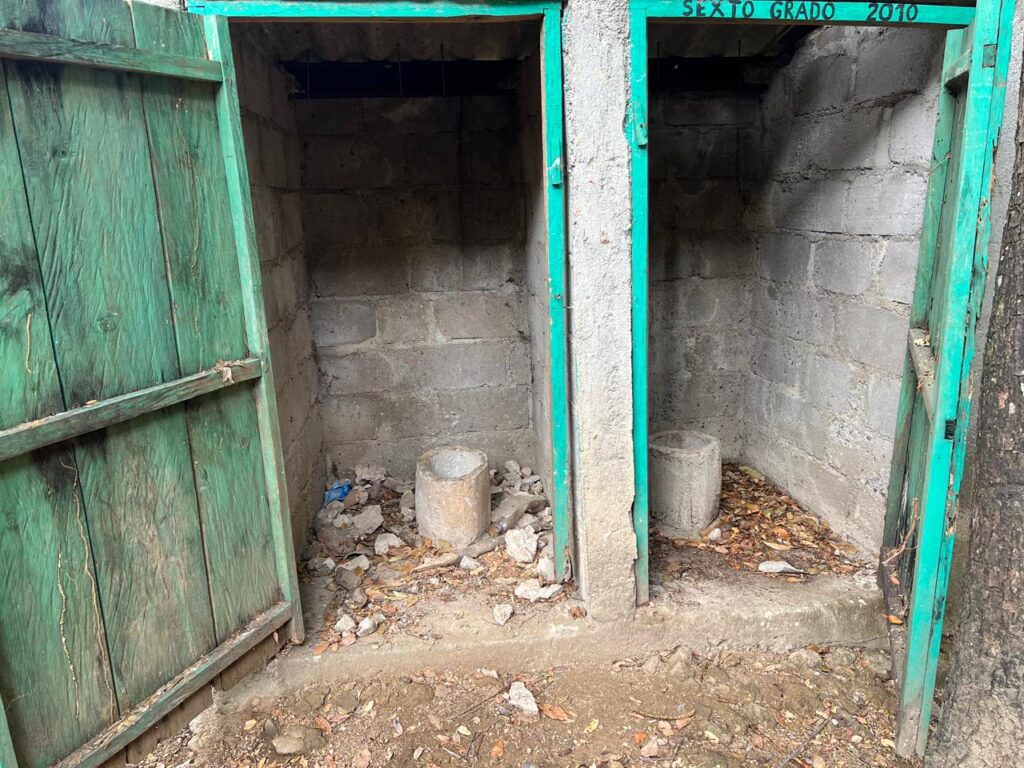
The school has been neglected by the State for a long time, as several government administrations have passed without providing support. Every day, the children faced unfavorable sanitary conditions due to a collapsed communal latrine without water, damaged bathroom doors, poor hygiene, and the lack of adequate water and sanitation facilities, putting the health of children and teachers at risk of infections, illnesses, injuries and contributing to school dropout and absenteeism

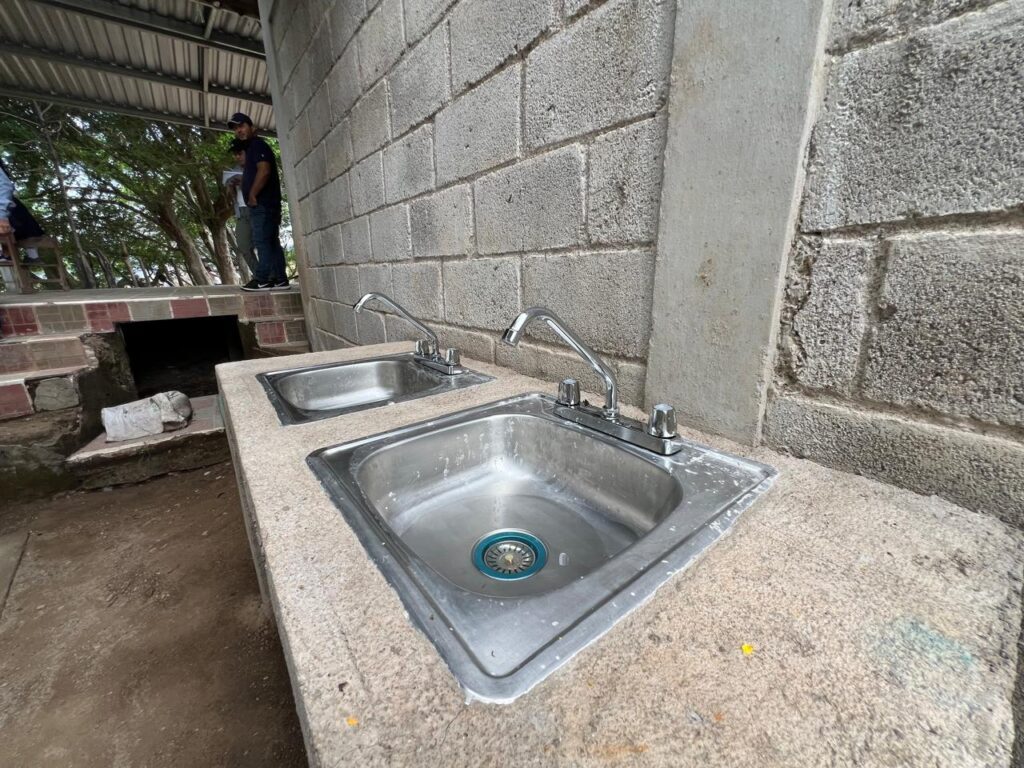
In response to this situation, together with the Parent-Teacher Association (PTA), the teachers began to seek help from the local government, but their requests were not attended to. Carlos Mejía, the School Director, mentioned that after many years of waiting for support to improve the bathrooms and water collection system, he received the news that Vecinos Honduras was willing to collaborate on building bathrooms and a water storage tank to improve the conditions of the school. Thus, efforts to carry out the project began. He spoke with community organizations and gained the community’s support to work on this project; within days, work started, successfully constructing sanitation facilities, the base of a Rotoplast tank for rainwater collection and installing sinks. The community contributed with hand labor and local materials for the construction

The installation of a bathroom door and other improvements planned by the parents’ initiative were not completed because these upgrades coincided with the end of the school year, and many parents were engaged in temporary work at a melon exporting company or migrated temporarily to other regions of the country for seasonal coffee harvesting jobs. However, they committed to completing these improvements in the first weeks of May 2025

The change is positive, improving the health and safety conditions of children and teachers. The children, parents and teachers appreciate the support provided by Vecinos Honduras and WNCS to their educational center, convinced that united efforts create greater possibilities for achieving better conditions

Children deserve the very best!

Check out this short video made by a community volunteer working with Vecinos Honduras. It shows the changes and the effects small improvements can make in the lives of students.

Learners become teachers – training new beneficiaries in peanut processing

Rebeka trying to make biscuits

by Judy Gray, with information from Rebeka Tankoano

Over the past 2 months, World Neighbours Canada’s partner organization in Burkina Faso, APDC, has been able to train 12 more women in income-generating activities thanks to a donation from the QSI International School in Benin. Eight women were trained in the processing and marketing of groundnuts (peanuts) and another four in fattening and raising 2 pigs. The women and their families have been displaced from their farms by an armed conflict; they are living in the town of Fada and trying to find ways to survive.

AGR beneficiaries trained in peanut processing and marketing – with needed equipment (provided)

Rebeka Tankoano recently provided a report on the training sessions. Here are excerpts from her report about the groundnut training:

“This training session took place from 10 to 12 March 2025 in Fada for eight very poor internally displaced women. With the aim of promoting the expertise of former beneficiaries of WNC/APDC support, we asked Touampoa Thiombiano to accompany these new beneficiaries in learning how to process and market groundnuts. An expert in the field, Touampoa was able to pass on her know-how to these new beneficiaries, who are now equipped to improve their conditions thanks to this activity. From equipment to production techniques and inputs, Touampoa spared no effort to explain all the conditions necessary for processing groundnuts into different products. Over the course of the three days, the women learned how to process groundnuts into a number of products, including biscuits, oil and paste (peanut butter). One of their major concerns during their discussions was managing customers and controlling the market. With Touampoa’s expertise, she explained a number of issues to consider: product quality, respect for customers, trust and meeting deadlines, which will help them to better control the market and build customer loyalty. Thiombiano also encouraged them to work hard and courageously to achieve greater success. At the end of the training, each beneficiary received a kit containing equipment and inputs for starting up their enterprise.”

Here is the reaction of one of the beneficiaries, Lamoudi Ouali:

“I’m very happy to have had the chance to be trained for this activity, I’ve learnt a lot and I’m very grateful to the donors. I’m really encouraged to see that our trainer has also been a beneficiary like us and that she’s done really well. I’m also happy for all the support and all the materials received. I’m going to work well like Touampoa and succeed in my business. I’m thinking a lot about my friends who would also like to receive help to do activities to support their families.”

Processing peanuts – making peanut oil and biscuits; supervised by Mme Taouampoa

What a joy it was to read that one of the women, Touampoa Thiombiano, who herself had been a beneficiary a year ago, learning how to process and then market groundnuts, was able to act as the trainer for the new group of 8 women who were preparing to implement the activity. Beginning as a learner, Touampoa has become a teacher and is willing to share her experience and expertise with others!

APDC continues to impress us with the results they are able to achieve, given the difficult conditions they work in; along with their ability to adapt and modify the ways the training is offered.

Small Healthy Changes in Honduras

In this time of global uncertainty we wanted to share a story from our project in Honduras, to help remind us of the power of community and how we in Canada can help support capacity building, strengthen communities, and improve the health of children through even small improvements. This story features one of a number of projects we are supporting this year.

Carlos Roberto Mejía, a 39-year-old teacher, is in charge of the direction of the “Ramón Villeda Morales School” in the remote community of Isletas Abajo, outside of Langue, Honduras. He has been at the educational center for two years and every day he travels by motorcycle and then on foot from his home in Langue to the educational center. It takes about 45 minutes to get to the school. He doesn’t mind the effort because it is part of his daily exercise.

The school has been forgotten by the State for a long time. Numerous government administrations have come and gone but no support materialized. As a result of this neglect, the educational center had a collapsed common latrine, putting the health of children and teachers at risk. The school and the Parents’ Association (APF) petitioned the local government to address this risk, but their requests were not answered.

Carlos said that after so many years of waiting for someone to provide support for the improvement of the bathrooms and water collection, he was excited to receive the news that Vecinos Honduras was willing to collaborate in the construction of bathrooms and water storage tank in order to improve the conditions of his educational center. That is how Vecinos Honduras, supported by World Neighbours Canada, began efforts to carry out the project.

Carlos talked with community organizations and obtained support from the community to work on this project. In only a matter of days the work began. Community members provided their labour and quickly they managed to build toilets, a base for the Rotoplast tank rainwater collection and installed sinks. The change is positive, improving health and safety conditions for children and teachers

The children, parents and teachers, are grateful for the support provided to help improve the hygiene of their educational center. They believe that the union of forces creates greater possibilities to achieve better conditions

Meeting APDC Staff in a Safe Location: Cotonou, Benin

by Judy Gray, World Neighbours Canada Director

Our partner organization in Burkina Faso, APDC has faced increasing challenges in addressing poverty in Fada province in the eastern part of the country. Most of the villagers from ADPC’s program area have had to leave their homes because of armed conflict, and they are now internally displaced persons living in the outskirts of Fada town. Despite very difficult conditions, APDC employees continue to pursue development work. Over the past year, they have assisted 35 women to set up small personal enterprises – processing local products and then selling them in local markets. APDC also holds awareness sessions to emphasize the importance of hygiene, how to avoid malnutrition and how to prepare more nutritious meals. Small steps, but big impacts! You will have read about this work in recent articles and in our fall newsletter.

Since 2018 it has been impossible to travel to Burkina Faso to meet with the APDC team in Fada, because of security concerns. However, the latest and most exciting communication with staff occurred in late November, when my husband Peter and I travelled to the West African country of Benin. Although the northern region of Benin is not safe to travel in, the southern area and the major city of Cotonou on the coast are stable and easy to visit. As Peter and I have friends who are currently teaching in Cotonou, we took the opportunity to visit them AND meet with 3 employees of APDC. Charles, Koanari and Hortense were able to travel by bus (a 24-hour journey!) to Cotonou and meet with us over a period of three days. What a treat to spend time in face-to-face meetings! Zoom conversations certainly fill a need, but nothing replaces in-person meetings with partners whom we now consider our friends.

The meetings were very useful and provided the opportunity to discuss in greater detail the effects of the recent displacement of villagers. It is almost impossible for us to comprehend the conditions that many of the villagers now live in and the enormous struggles they face; however the staff continue to hope that peace will return to their homeland. Koanari and Hortense had never travelled outside Burkina Faso before and had never seen the ocean. Watching them joyfully dip their feet and hands (with shoes on!) into the warm salt water was magical for them and for us. Two bottles of salt water were filled, to take back home! We visited a beach one morning and spent the better part of an hour paddling at the ocean’s edge and then returned that evening to enjoy a meal at a beach restaurant – and, of course, wander the shoreline as the sun slowly set. We have fabulous memories, and many photos of that most unique experience!

We also had very positive reactions to the presentations to middle school and high school students at the QSI International School of Benin where our friends teach. The students and teachers were very interested to learn how a small organization has been able to carry out development work in times of great hardship, dealing with a high level of terrorist activity but finding a way to work with villagers who have been forced to leave their homes and are now internally displaced persons. After school one afternoon we were also able to host a roundtable discussion with several school support workers to learn about their involvement – mostly on a voluntary basis – with rural development organizations in Benin. We were excited to be part of sharing experiences between organizations in the two countries, as well as sharing the work of World Neighbours Canada.

World Neighbours Canada • Box 1771, Oliver, B.C., Canada • V0H 1T0
250-498-1713 • info@worldneighbours.ca
Federally registered charity BN 89212 8646 RR 0001